Research assessment and the definition of excellence
It was both inspiring and thought-provoking to see how work is being done to develop new methods for assessing research, say dean Marianne Holmer after recent conference.
Dear staff
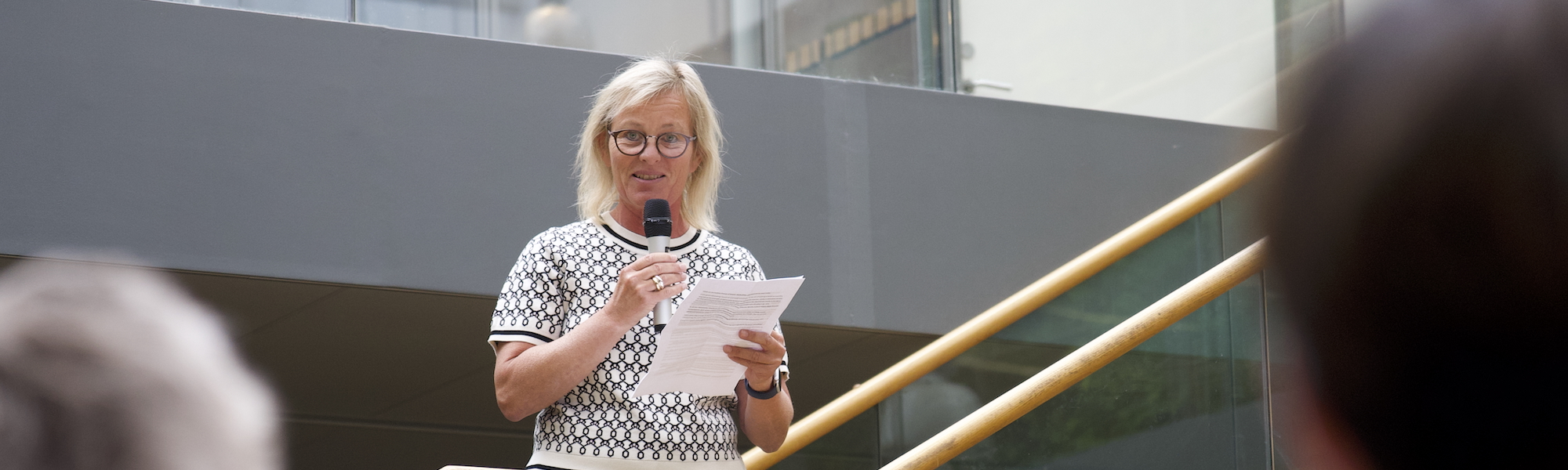
This week I attended a conference organised by Aalborg University in connection with the EU Presidency, where the theme was Reforming Research Assessment. It was both inspiring and thought-provoking to see how work is being done to develop new methods for assessing research. Methods that go beyond traditional bibliometric indicators such as H-index and Scopus profiles.
A key theme of the conference was the need to recognise the entire research team behind the results, not just the individual researcher. It became clear that current metrics often fail to credit collaborators or take into account other important outputs, such as dissemination to the public or advice to authorities.
The conference also showed that there is a strong will for change, including through the implementation of CoARA. However, there is still a lack of clear definitions, for example for Open Science, and guidelines on how to implement the new methods in practice.
Younger researchers in particular expressed concern that conservatism in assessment committees could slow down development, and they suggested that young researchers should be more involved in the assessment process. There is a great need to raise awareness of the new methods among researchers, foundations and politicians. Carthage Smith from the OECD emphasised that bibliometric indicators still dominate when describing excellence at the highest political levels - and this is still where funding is allocated.
One session focused on the balance between competition and collaboration. The panel agreed that there is an urgent need to recognise and measure excellence in collaboration, especially when solving global challenges. As Katarina Bjelke, Director of the Swedish Research Council, concluded: "If you want to go fast, go alone. If you want to go far, go together."
Our future requires both approaches and we need to develop tools to assess both strategies.
I take home many new perspectives and look forward to continuing the dialogue at NAT on how we can best develop and implement more nuanced and fair assessment methods for research.
It's an exciting and important discussion.
Finally, I want to thank you for an eventful year. Thank you for your efforts at the faculty and for your contributions to science. I look forward to 2026 at NAT.
Merry Christmas and Happy New Year.
Marianne Holmer, Dean