-
Publishing Agreements for Open Access
Discounts on Open Access Publishing
-
Green Open Access
Guides
-
Predatory journals
What it is - and how to avoid
-
Open Science & Research Data Management
Curation and management of research data
-
Open Access Licenses
Guide to Creative Commons licenses
-
Guide: Open Access
Open Access is a term used for research publications that are made available to readers without payment and without login. Open access covers different levels of openness and are used for publications that are free to read online as well as publications that have actual open access licenses such as Creative Commons.
In 2018, SDU adopted an open science policy, in October 2024 the Policy was renewed.
It is set forth by SDU, but customized adaptations are in place for all departments. This means that the University is actively participating in the process of making research publications openly available through SDU’s own research database, Pure. SDU’s open access publications are also available in various search engines, SDU Library’s Search engine and Unpaywall, a service used by Web of Science among others.
Furthermore, SDU is part of The National Strategy for Open Access. The vision of this policy is that all publicly supported peer reviewed research publications should be made publicly available.
Click these links to read the SDU Open Science policy.
-
Open Access at the Library
-
Yearly assessment of Open Access
For questions or guidance, please contact open-access@bib.sdu.dk

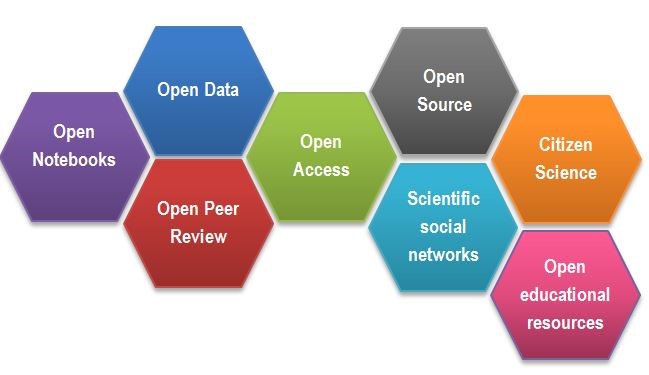
Open Science is more than Open Access to publications. It is about making all the processes in the academic life-cycle open so that the whole world may benefit from taxpayer-funded research. Open Science is also about open data, open peer review, open access, open education, citizen science, and much more. It is a movement which encourages researchers to engage in changing the way research is traditionally produced and presented. At the same time, it challenges the business model of the academic publishers and other members of the para-academic industry. Research has shown that researchers who publish mainly in Open Access have a citation advantage over those who do not.